Introduction
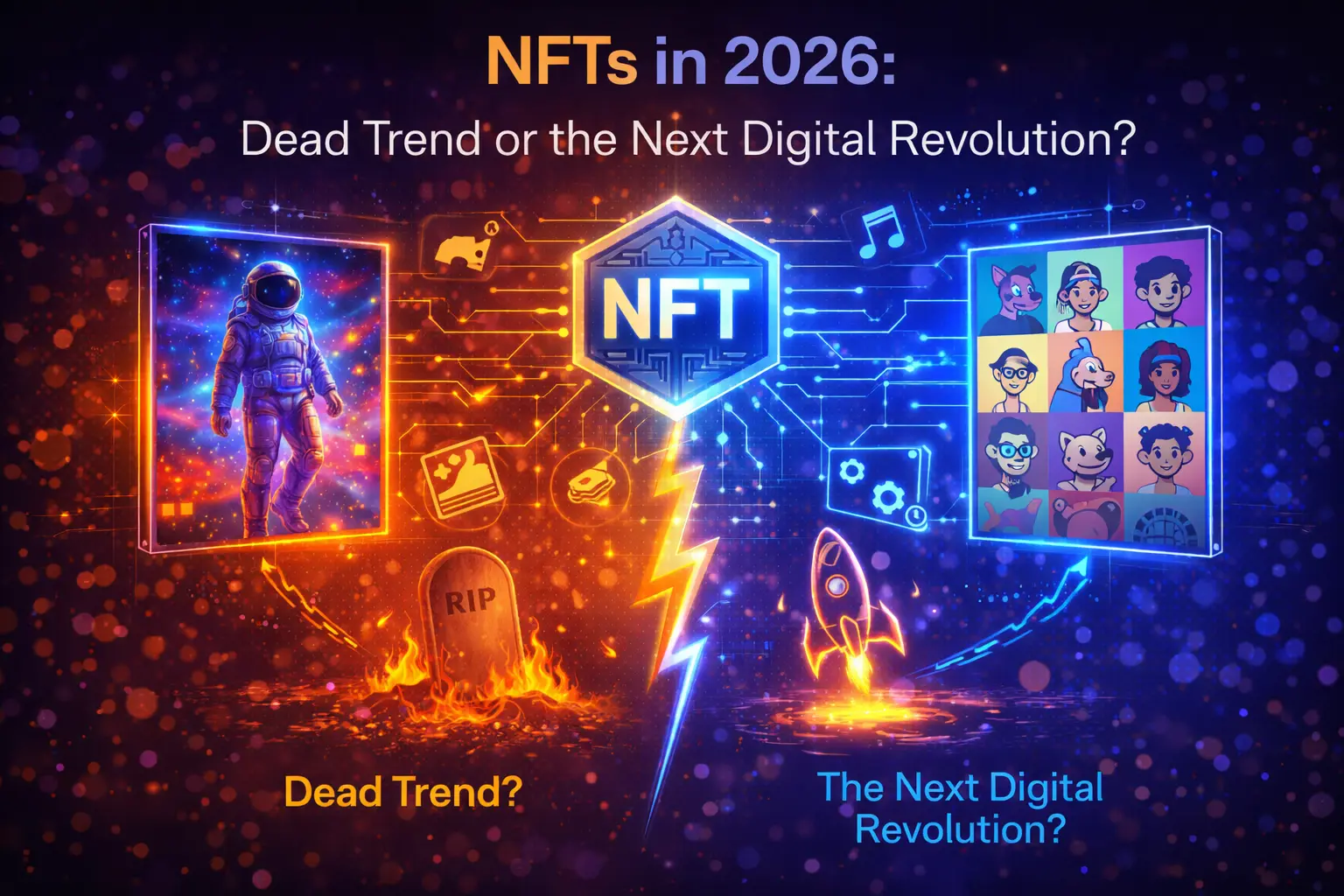
Non-Fungible Tokens (NFTs) exploded onto the mainstream scene in 2021, with digital artworks selling for millions of dollars and celebrities rushing to launch their own collections. Then came the crash. By 2023, trading volumes had plummeted over 90%. So where do NFTs stand in 2026—dead, dormant, or evolving?
What are NFTs?
An NFT (Non-Fungible Token) is a unique digital certificate of ownership stored on a blockchain. Unlike Bitcoin, each NFT is one-of-a-kind and cannot be replicated. NFTs can represent digital art, music, gaming assets, event tickets, real estate deeds, and even personal identity credentials.
Why the Hype Died Down
- Speculative bubble driven by FOMO, not intrinsic utility
- Market flooded with low-quality, copy-paste collections
- Environmental concerns over Proof-of-Work energy consumption
- Wash trading and artificial price inflation by insiders
The Real NFT Use Cases Emerging in 2026
Beyond digital art, NFTs are finding genuine utility in critical sectors:
- Gaming: True ownership of in-game assets that can be traded across platforms
- Ticketing: NFT event tickets that eliminate scalping and fraud
- Real Estate: Fractional property ownership and tokenized deeds
- Identity & Credentials: Verifiable academic certificates and professional licenses
- Music Royalties: Artists tokenize songs to receive direct, transparent royalty payments
Conclusion
NFTs are not dead—they have simply shed their speculative skin and are maturing into practical infrastructure. The projects surviving in 2026 are those with real utility, strong communities, and sustainable token economics. The future of NFTs lies not in million-dollar JPEGs, but in digital ownership as a foundational layer of the internet.